
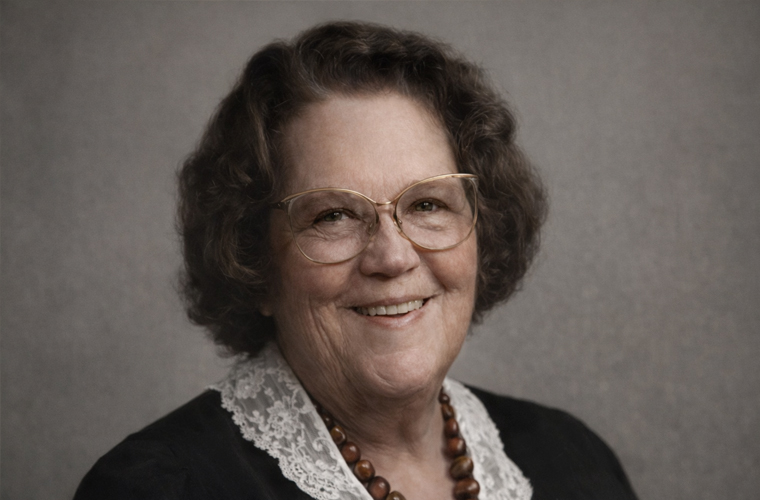
Trailblazing Anatomist and Educator
Dr. Ruth Smith Lloyd (1917–1995) was a pioneering African American scientist whose groundbreaking achievements in anatomy shattered racial and gender barriers in academia. Born on January 17, 1917, in Washington, D.C., she became the first Black woman in the United States to earn a PhD in anatomy in 1941, and only the sixth Black woman overall to receive a doctoral degree in any field at the time.
Growing up in a family that valued education, Lloyd attended Dunbar High School, a prestigious segregated institution known for producing accomplished scholars. Her intellectual curiosity led her to Mount Holyoke College, a women’s liberal arts school in Massachusetts, where she earned a Bachelor of Arts in zoology in 1937. Undeterred by the era’s rampant discrimination, she pursued advanced studies at Western Reserve University (now Case Western Reserve University) in Cleveland, Ohio. There, under the mentorship of esteemed anatomists, she delved into the intricacies of human and comparative anatomy, culminating in her historic PhD dissertation on the endocrine glands.
Lloyd’s career was defined by her commitment to both research and teaching. After completing her doctorate, she joined the faculty at Howard University College of Medicine in Washington, D.C., where she taught anatomy and physiology for over four decades, retiring as a full professor in 1982. Her research focused on endocrinology, particularly the structure and function of glands like the thyroid and adrenal, contributing valuable insights to medical science during a time when Black women were rarely afforded such opportunities. As a mentor, she inspired generations of students, many of whom went on to become physicians and researchers, fostering a legacy of excellence in a field that had long excluded voices like hers.
In 1946, Lloyd married Dr. James Oscar Lloyd, a fellow Howard University alumnus and accomplished physician who specialized in obstetrics and gynecology. The couple shared a life dedicated to public service and education, raising a family while navigating the challenges of Jim Crow-era America. Dr. Lloyd’s quiet determination and scholarly rigor earned her respect across academic circles, and she remained active in professional organizations until her death on October 10, 1995, in Washington, D.C.
Today, Dr. Ruth Smith Lloyd’s story stands as a testament to resilience and intellectual fortitude. Her barrier-breaking PhD not only advanced anatomical knowledge but also paved the way for future generations of underrepresented scientists, reminding us that true progress often begins with one determined step forward.