
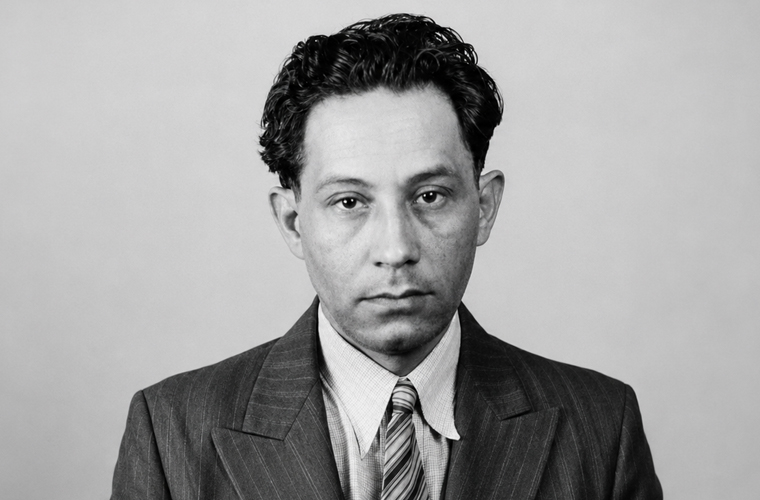
Wallace D. Fard Muhammad (also known as W.D. Fard, Master Fard Muhammad, Wallace Dodd Fard, and numerous aliases; reportedly born c. February 26, 1877 – disappeared in 1934) was a mysterious religious leader and the founder of the Nation of Islam (NOI), a Black nationalist religious movement in the United States. His life before 1930 is heavily disputed, with limited verifiable records, conflicting self-claims, and later FBI investigations. Within NOI tradition, he is revered as the long-awaited Mahdi (a redeemer figure in Islamic eschatology), the Messiah, the incarnation of Allah (God) in person, and the Savior who came to resurrect and liberate Black Americans from oppression. His birthday, February 26, is celebrated by the NOI as Saviour’s Day.
Origins and Early Life
Fard’s background remains one of the most enigmatic aspects of his story. NOI teachings hold that he was born in Mecca, Saudi Arabia, on February 26, 1877, to a wealthy family from the Quraysh tribe (the tribe of the Prophet Muhammad), with a Black father and a white mother. He was said to have been educated in England and at the University of California.
Scholars and investigators offer different accounts:
- FBI identification: In the 1960s, the FBI linked him to Wallie Dodd Ford (or Wallace Dodd Ford), born around 1891 in New Zealand (or possibly elsewhere), with a criminal record including drug sales, assault, and time served at San Quentin State Prison in California. This figure had multiple marriages/relationships, including with women of various ancestries, and operated restaurants and food carts. The NOI disputes this identification.
- South Asian/Afghan theories: Many researchers point to possible origins in British India (modern-day Pakistan/Afghanistan region), supported by draft cards listing Afghanistan (Shinkay/Shinka), tamale vending in Oregon under names like Fred Dodd, Wali Dad, or similar variants, possible Ahmadiyya Muslim influences, and names he bestowed on followers. He may have immigrated via ships from Hong Kong or elsewhere in the early 1900s.
- Other claims include Turkish, Spanish (Madrid), Syrian, or other backgrounds. He used dozens of aliases and was described variably by appearance (often light-skinned).
Before Detroit, he lived in the Pacific Northwest (Oregon, etc.), selling tamales and operating food businesses, spent time in California (including prison), and possibly Chicago, where he may have had ties to the Moorish Science Temple of America.
Arrival in Detroit and Founding of the Nation of Islam
Fard appeared in Detroit around 1930 (some cite July 4), during the Great Depression and the Great Migration of African Americans from the South. Initially working as a door-to-door silk peddler in Black neighborhoods like Paradise Valley/Black Bottom, he engaged residents by discussing their ancestral “Oriental” silks from Mecca and offering health and spiritual advice.
He began teaching small groups, using the Bible initially (familiar to his audience) before introducing his syncretic doctrines. His following grew rapidly—estimates reached thousands in Detroit and other cities within a few years. He established:
- The Temple of Islam (later mosques).
- The University of Islam (a school for children emphasizing NOI teachings, history, and self-reliance).
- The Fruit of Islam (a paramilitary security and discipline corps for men).
- Muslim Girls’ Training Corps.
He mentored Elijah Poole (later Elijah Muhammad), who became his chief successor and propagated his teachings widely.
Teachings and Ideology
Fard’s doctrines blended elements of Islam, Black nationalism, Christian critique, and esoteric/apocalyptic ideas. Key points include:
- Black people (referred to as the “Original Man” or members of the lost Tribe of Shabazz) were the first civilized people, stolen from Mecca/Asia and enslaved. They needed to reclaim their true identity, language, and religion (Islam).
- Rejection of “slave names” (replaced with “X” or bestowed Muslim/Arabic names).
- Christianity as the “white man’s religion” used to control Black people; whites portrayed as “devils” created through eugenics by a scientist named Yakub (a figure in NOI mythology).
- Strict moral code: abstinence from pork, alcohol, drugs, tobacco, gambling, and extramarital sex; emphasis on self-discipline, cleanliness, economic independence, and family.
- Esoteric knowledge: teachings on mathematics, astronomy, history of planets, and a coming judgment or race war where the oppressed would triumph.
His approach started with familiar Biblical references and gradually introduced more distinctive NOI theology. Followers viewed him as divinely guided.
Controversies and Disappearance
Fard’s movement faced opposition, including from police. In 1932–1933, a ritual killing (human sacrifice) by a follower led to arrests and scrutiny; Fard was briefly detained. Tensions escalated with death threats and repeated arrests. In 1934, he left Detroit amid these pressures. Elijah Muhammad later claimed he was deported or departed by plane. Fard disappeared without a confirmed trace; his fate is unknown. Speculation includes death from diabetes complications, foul play, relocation under a new identity (possibly California), or continued hidden influence. The FBI continued investigating the NOI and Fard’s background for decades.
Legacy
Though his public activity lasted only about four years, Fard’s impact was profound. Elijah Muhammad built the NOI into a major organization, influencing figures like Malcolm X, Muhammad Ali, and many others in civil rights, Black Power, and culture. NOI teachings promoted Black pride, self-sufficiency, and separatism, addressing systemic racism during a turbulent era.
The movement evolved (with splits, such as under Warith Deen Mohammed toward orthodox Islam), but core reverence for Fard as “God in Person” persists in traditional NOI circles. His story reflects themes of identity, migration, religious innovation, and racial dynamics in 20th-century America. He is referenced in hip-hop, literature, and ongoing discussions of Black religious history.
Fard’s life exemplifies mystery and myth-making: a man of uncertain origins who profoundly shaped a religious and cultural movement through charisma, tailored teachings, and strategic organizing. Much remains speculative due to sparse records and competing narratives, but his role as the catalyst for the Nation of Islam is undisputed.