
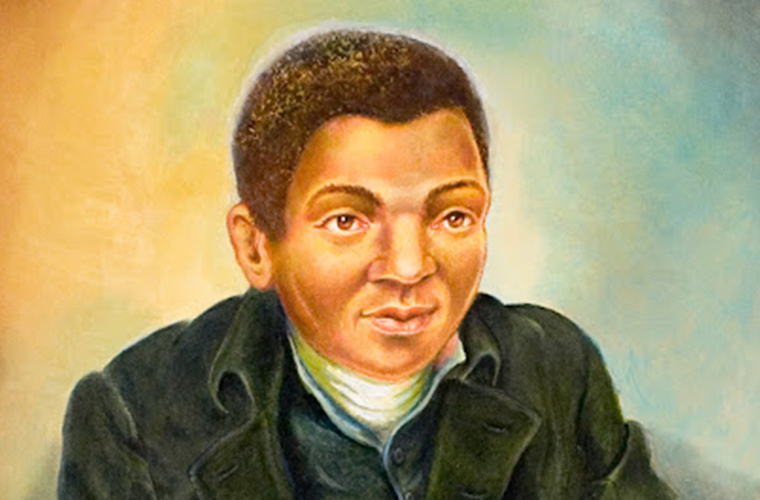
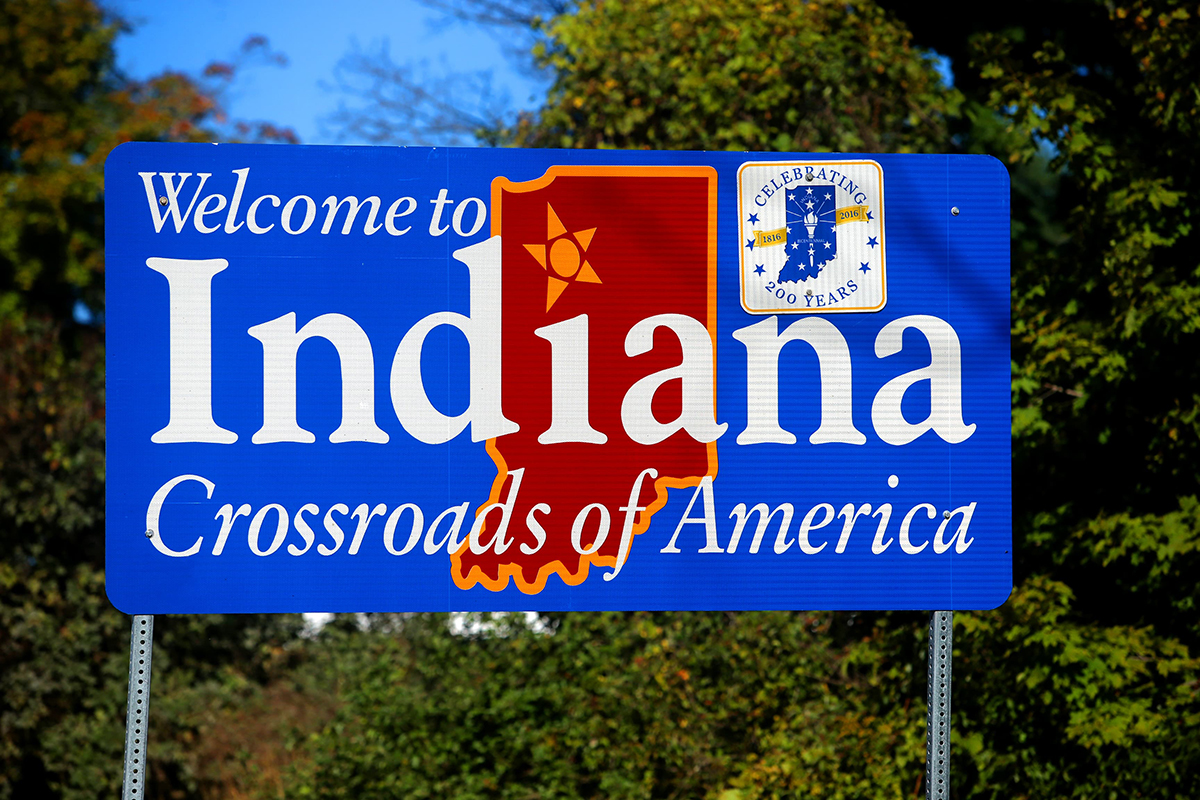
Harry Hosier, also shown spelled Hoosier, was a popular Methodist preacher who found fame in the early 19th Century. A Fisk University history professor has attempted to connect Hosier’s last name to the state nickname of Indiana residents, Hoosiers.
Born into slavery in 1750 near Fayetteville, N.C., little is known about Hosier’s early life. What is known is that he was possibly sold in Baltimore, Md., but gained his freedom at the end of the American Revolution. Hosier was said to be illiterate, and there are several spellings of his name, including “Hoshur” among them. Hosier, who preferred to be called Black Harry, preached across the nation after forging a strong friendship with Bishop Francis Asbury, often called the father of the American Methodist Church.
Hosier’s role at first was subservient to Asbury, but he displayed an ability to remember whole passages that were read to him with great vocal effect. His preaching style became so popular that when Asbury went on preaching tours, crowds were actually hoping to catch a glimpse of Hosier. Benjamin Rush, one of the men who signed the Declaration of Independence, called Hosier the “greatest orator in America.”
However, Hosier was pushed out of the church in 1791, possibly due in part to his popularity and desire to be promoted to an ordained minister, something he was never able to obtain. Historian William Piersen, the historian from Fisk, connected Hosier’s name to the Hoosier nickname, albeit loosely. It does appear that Hosier and Asbury visited Indiana and the region but nothing concrete has been determined with many other researchers saying the nickname has several mythical roots.