
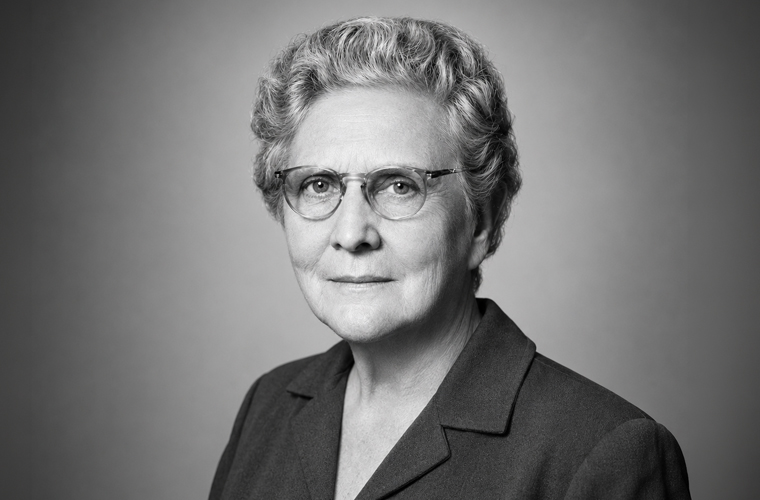
Mary White Ovington (April 11, 1865 – July 15, 1951) was an American socialist, suffragist, journalist, settlement house worker, and a key co-founder of the National Association for the Advancement of Colored People (NAACP). A white woman from a progressive family with abolitionist roots, she dedicated her life to combating racial discrimination, promoting interracial cooperation, and advancing civil rights and women’s suffrage. Born in Brooklyn, New York, shortly after the end of the Civil War and around the time of President Abraham Lincoln’s assassination, Ovington came from a family steeped in reform traditions. Her parents, Theodore Tweedy Ovington and Ann Louisa (Ketcham) Ovington, were Unitarians who supported women’s rights and had ties to the anti-slavery movement. Her grandmother was connected to abolitionist circles, including attendance at the congregation of Samuel Joseph May. She attended Packer Collegiate Institute in Brooklyn and spent time at Radcliffe College (then the Harvard Annex), where socialist economic ideas influenced her. Family financial difficulties forced her to leave college in 1893, after which she began working at the Pratt Institute in Brooklyn.
Settlement House Work and Social Reform
Inspired by the settlement house movement and figures like Jane Addams, Ovington became deeply involved in social work. In 1895, she helped found the Greenpoint Settlement in Brooklyn and served as its head from 1896 to 1904. This work exposed her to the conditions of the working class. A pivotal moment came in 1903 when she heard Booker T. Washington speak. She shifted focus to issues affecting African Americans. From 1904 onward, as a fellow of the Greenwich House Committee on Social Investigations, she conducted extensive studies on employment, housing, and economic conditions for Black residents in Manhattan. Her research culminated in the 1911 book Half a Man: The Status of the Negro in New York, which highlighted white prejudice as a root cause of inequality. She also co-founded the Lincoln Settlement in Brooklyn and supported it through fundraising and board leadership. Ovington met and collaborated with leaders like Ida B. Wells and W.E.B. Du Bois during this period.
Founding the NAACP
The 1908 Springfield race riot in Illinois—Lincoln’s hometown—shocked Ovington and many others. She responded to an article by socialist William English Walling titled “Race War in the North” by meeting with Walling and Dr. Henry Moskowitz. Together, they issued “The Call” on February 12, 1909 (the centennial of Lincoln’s birth), urging a national conference on civil and political rights for African Americans. This led to the National Negro Committee and, in 1910, the formal establishment of the NAACP. Ovington played a central role, serving as executive secretary (including terms in 1911–1912 and 1916), board member, director of branches, chair of the board (1919–1934 or so), and later treasurer. She worked closely with Du Bois, helping mediate internal matters and supporting The Crisis magazine. She remained active for nearly 40 years, retiring in 1947 due to health issues. The NAACP’s early efforts included legal challenges against segregation and discrimination, winning key Supreme Court victories on voting rights and housing between 1915 and 1923.
Other Activism and Writings
Ovington was a committed socialist (joining the Socialist Party of America around 1905), pacifist (opposing U.S. involvement in World War I), and suffragist. She advocated for the inclusion of Black women in the suffrage movement, notably writing to Alice Paul in 1921 to ensure a Black woman was invited to celebrations of the 19th Amendment.
She wrote extensively as a journalist for outlets like The Masses, New York Evening Post, and New York Call, and influenced works like Ray Stannard Baker’s
Following the Color Line*. Her books include:
- Half a Man (1911)
- Hazel (1913, a children’s novel)
- Portraits in Color (1927, biographical sketches of prominent African Americans)
- Reminiscences (autobiography, later edited as Black and White Sat Down Together)
- The Walls Came Tumbling Down (1947, a history of the NAACP)
She also wrote plays and an anthology for Black children, The Upward Path (1919).
Later Years and Legacy
In her later years, Ovington continued speaking to college audiences to highlight interracial efforts against racism. Forced by ill health to resign from the NAACP in 1947, she moved to Massachusetts to live with her sister and died in Newton Highlands on July 15, 1951, at age 86.
Her legacy includes:
- Mary White Ovington Middle School (I.S. 30) in Brooklyn.
- Recognition on the Extra Mile – Points of Light Volunteer Pathway National Memorial in Washington, D.C.
- A 2009 U.S. postage stamp (with Mary Church Terrell) honoring NAACP pioneers.
Ovington exemplified interracial solidarity in the fight for justice. As a bridge-builder between Black and white reformers, she helped shape one of America’s most enduring civil rights organizations while advancing broader progressive causes. Her work demonstrated the power of persistent, evidence-based advocacy grounded in empathy and moral conviction.