
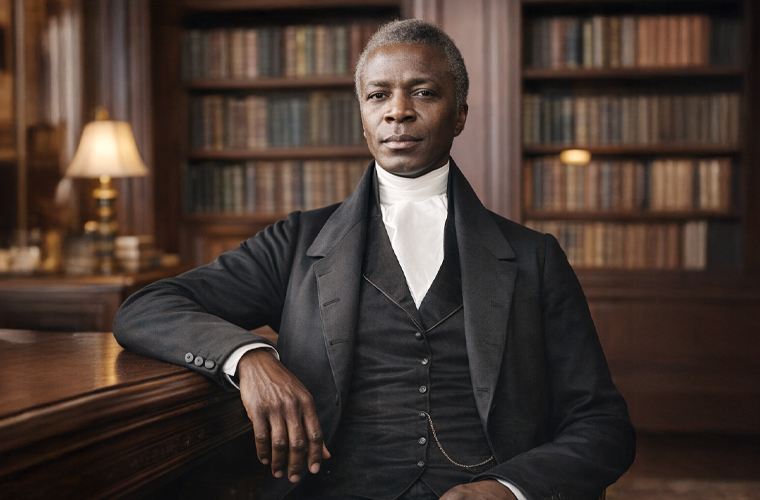
Robert Bridges Forten (1813–1864) was a prominent African American sailmaker, inventor, abolitionist, and Union Army soldier who exemplified intellectual brilliance, resilience, and commitment to justice in the face of systemic racism in 19th-century America.
Born on April 14, 1813, in Philadelphia, Pennsylvania, Robert was the son of James Forten, a wealthy sailmaker, leading abolitionist, and co-founder of the Free African Society, and his wife Charlotte Vandine Forten. James Forten had risen from indentured servitude to become one of the most successful Black entrepreneurs of his era, and the family was deeply involved in the fight against slavery and for Black civil rights. Robert was one of nine children. Due to racial segregation that barred Black children from most public schools in the Philadelphia area, the Forten siblings received a rigorous private education at home and through tutors, fostering a household steeped in literacy, activism, and intellectual inquiry. Family members, friends, and acquaintances often regarded young Robert as the most talented of the Forten children. As noted in the introduction to the memoirs of his daughter, the renowned abolitionist and educator Charlotte Forten Grimké, he stood out for his exceptional abilities even within a remarkable family.
Robert inherited and expanded upon his father’s qualities of ingenuity, entrepreneurship, and unwavering activism. A skilled sailmaker by trade, like his father, he demonstrated remarkable mechanical and scientific aptitude. He designed and built a sophisticated 9-foot telescope of such precision and quality that it drew widespread admiration from Philadelphia’s scientific community when displayed at the Franklin Institute. This invention highlighted his innovative spirit and technical expertise at a time when opportunities for Black inventors were severely limited.
In his personal life, Robert first married Mary Wood. Their daughter, Charlotte Forten (later Grimké), was born in 1837—just one year before a wave of escalating racial tensions culminated in the 1838 disenfranchisement of free Black citizens in Pennsylvania and violent race riots in Philadelphia. During these riots, white mobs attacked Black institutions and homes, including burning down an orphanage for Black children. The tragic early death of his first wife, Mary, further compounded the hardships Robert faced amid this hostile environment.
He later remarried Mary Hanscome, and the couple had two sons, Edmund and Wendell. Deeply disillusioned by the pervasive racism and deteriorating conditions for free Black people in the United States, Robert Bridges Forten chose self-exile. In 1855, he moved to Canada, and in 1858, he relocated to England, where he hoped to find greater freedom and opportunity.
The outbreak of the American Civil War in 1861 prompted his return. In 1862, at the age of nearly 50, Forten answered the call to fight for the Union cause and the abolition of slavery. Despite urgent pleas from family members urging him not to enlist due to his advanced age and the dangers involved, he joined thousands of other Black men at Camp William Penn near Philadelphia—one of the largest recruitment and training sites for African American soldiers. Nearly 11,000 free Black men and formerly enslaved individuals trained there. Forten enlisted in the 43rd Regiment of the United States Colored Troops (USCT).
He quickly rose through the ranks to become sergeant major, serving with distinction. While stationed in Maryland, he contracted typhoid fever and died on April 25, 1864. His death was deeply felt in Philadelphia’s Black community. Robert Bridges Forten was the first Black soldier to receive a full military funeral in the city, an honor that underscored his legacy of courage and service. As the introduction to his daughter Charlotte’s memoirs poignantly records, this recognition marked a significant moment in the recognition of African American contributions to the Union war effort.
Robert Bridges Forten’s life bridged the worlds of invention, education, family, abolitionism, and military sacrifice. From his groundbreaking telescope to his steadfast commitment to defeating the Confederacy, he left an indelible mark as a multifaceted figure in the long struggle for Black freedom and equality in America. His story, preserved through his daughter’s writings and family legacy, continues to inspire as a testament to perseverance against overwhelming odds.