
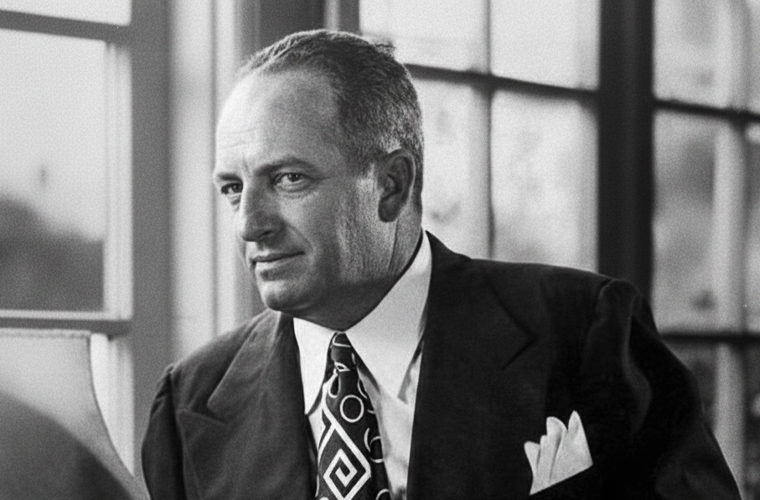
Sheriff Walter Clark’s involvement in the 1935 lynching of Rubin Stacy remains one of the most debated and damning aspects of his long tenure as Broward County Sheriff. While contemporary official accounts portrayed him as attempting to protect Stacy, later investigations, witness testimonies, and historical analyses have painted a picture of potential complicity, facilitation, or even direct orchestration by Clark or those under his command—particularly his brother, Chief Deputy Bob Clark.
Official Account and Immediate Aftermath
In July 1935, after Rubin Stacy’s arrest, Sheriff Clark personally arranged for Stacy to be taken to Marion Jones’s home for identification rather than conducting a formal lineup at the jail. Jones identified him, and both she and the deputies present reportedly received $25 rewards. Amid growing rumors of mob violence and a crowd gathering outside the jail, Clark claimed he feared for Stacy’s safety. He coordinated with a local judge to transfer Stacy to the more secure Dade County jail in Miami, with a team of deputies (led by Bob Clark) handling the transport in a sheriff’s patrol car on the afternoon of July 19.
According to Clark’s testimony and newspaper reports at the time, the vehicle was intercepted and run off the road by a large mob of armed men (estimates ranged from 50 to 100), who seized Stacy, took him to a wooded area near the Jones home, hanged him from a pine tree using a clothesline, and shot him multiple times (coroner’s reports noted 17 bullets). The deputies claimed they were overpowered and arrived at the scene too late to intervene. A state-ordered investigation followed, including a grand jury that heard from 29 witnesses (including the Clarks). The jury cleared the sheriff’s office of wrongdoing after just two days, accepting the account of an uncontrollable mob and issuing no indictments.
Alternative Accounts and Later Testimonies
Decades later, particularly in a 1988 Sun-Sentinel investigation (“The Day They Lynched Reuben Stacey“), oral histories and eyewitness recollections emerged that challenged the official narrative. Multiple sources alleged that the “mob” was not entirely spontaneous and that law enforcement played a more active role:
- Witnesses claimed Deputy Bob Clark (Sheriff Walter Clark’s brother) personally hoisted Stacy into the tree and then encouraged or ordered bystanders to each fire a shot into the body. This was reportedly done to spread complicity among the crowd, ensuring broader participation and reducing the risk of anyone turning state’s evidence.
- Some accounts speculated that Sheriff Walter Clark himself may have been the leader of the mob or directly involved in planning the events. One source from the 1980s suggested the transfer route was leaked or deliberately chosen to enable interception.
- Other testimonies described the lynching as facilitated by the sheriff’s office, with the transport logistics creating ideal conditions for mob action in broad daylight. Rumors spread rapidly about Stacy’s alleged crimes (exaggerated from attempted assault to rape in some tellings), fueling the atmosphere.
These claims appear in historical analyses from organizations like the Civil Rights and Restorative Justice Project, academic works, and local reporting. For instance, some sources note that the mob seemed to know the exact route and timing, raising questions about whether information was deliberately shared. No definitive documentary proof (such as orders from Walter Clark himself) has surfaced to confirm he directly “ordered” the lynching, but the pattern suggests at minimum negligence or tacit approval in a racially charged environment where his department was known for harsh treatment of Black residents.
Broader Context in Clark’s Tenure
Clark’s handling of the case fit into a larger pattern during his time as sheriff. He was accused of systemic racism, including using vagrancy arrests to force Black men into unpaid farm labor while collecting fines. The Stacy incident became emblematic of how law enforcement could enable or participate in racial terror without consequence in the Jim Crow South. The grand jury’s quick clearance and lack of prosecutions mirrored many other lynchings where officials avoided accountability.
In modern retrospectives, including Broward County’s remembrance efforts (such as Rubin Stacy Remembrance Day and the renaming of part of Davie Boulevard), Clark’s role is often highlighted as emblematic of institutional complicity in racial violence. While the 1935 grand jury exonerated him, later scholarship and witness accounts continue to question whether the sheriff’s actions—or inactions—crossed into active facilitation. No one was ever held criminally responsible, leaving the question of Clark’s precise involvement unresolved but deeply troubling in historical memory.