
The Quakers emerged as the most formidable architects of the Underground Railroad, their religious conviction translating into bold, systematic resistance against slavery. As early as 1786, their effectiveness had grown so undeniable that George Washington himself penned a bitter complaint, noting how “a society of Quakers, formed for such purposes, have attempted to liberate” one of his neighbor’s enslaved people. This wasn’t isolated activism—it was organized insurgency cloaked in religious righteousness.
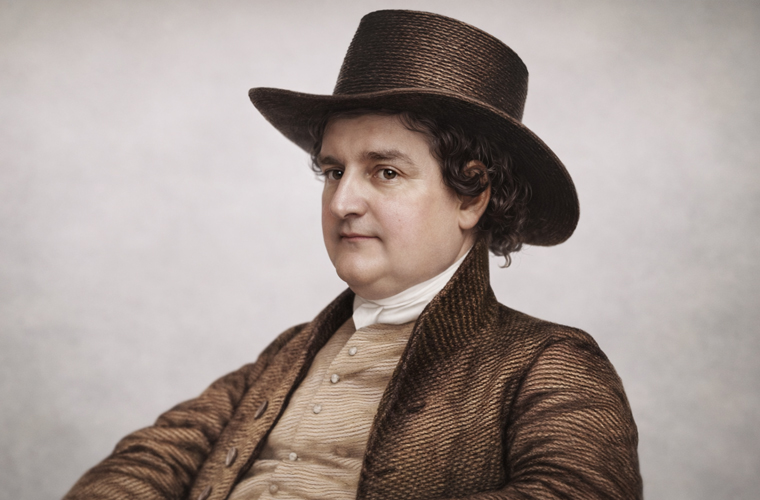
Nowhere did this movement burn brighter than in Philadelphia, where the city’s dense Quaker community transformed its spiritual beliefs into revolutionary action. At the heart of this resistance stood Isaac Hopper, a man whose conversion to Quakerism had ignited within him an uncompromising commitment to human freedom. What one contemporary author would later recognize as “the first operating cell of the abolitionist underground” was, in fact, Hopper’s audacious creation—a sophisticated network that functioned with the precision of a military operation and the secrecy of a conspiracy.
Hopper’s own home became a revolving door of refuge, its hidden rooms sheltering desperate runaways who arrived under the cover of darkness. But his genius extended far beyond simple concealment. He orchestrated an intricate web of safe houses throughout Philadelphia, each location carefully vetted, each sympathizer sworn to secrecy. More remarkably, he cultivated a network of informants who fed him intelligence about the movements and strategies of fugitive slave hunters—turning the hunters’ own tactics against them. Hopper knew when bounty hunters were coming to town, which ships they arrived on, which boarding houses they frequented, and which enslaved people they sought.
Although his hands were trained in the humble work of a tailor, Hopper’s mind possessed razor-sharp legal acumen that he wielded like a weapon in courtrooms. He studied the law with obsessive dedication, memorizing statutes and precedents, searching for every ambiguity, every contradiction, every loophole that might be exploited. In case after case, he out-maneuvered slaveholders and their attorneys, using their own legal system to grant freedom to the enslaved. His reputation grew formidable—slave catchers learned to fear the tailor who could dismantle their claims with procedural brilliance.
His social connections proved equally valuable to the cause. Among his acquaintances was Joseph Bonaparte, the exiled brother of Napoleon, who had settled in America after his brother’s fall from power. This friendship with European nobility granted Hopper access to circles of influence most abolitionists could never reach.
In 1829, Hopper relocated to New York City, but distance did nothing to diminish his commitment. If anything, his work intensified in this new theater of operations. He established a Quaker bookstore that became another hub of abolitionist activity, its shelves lined with anti-slavery literature, its back rooms serving purposes its detractors could only imagine with fury.
That fury erupted one volatile day when an anti-abolitionist mob—their numbers swelling with each inflammatory rumor—converged on Hopper’s bookstore. They came armed with clubs and righteous anger, ready to silence this meddlesome Quaker once and for all. But Hopper, now in his sixties, stood firm in the doorway of his establishment. Whether through the force of his moral authority, his reputation for fearlessness, or perhaps simply the calculated risk that attacking a prominent white businessman might bring legal consequences, Hopper managed to disperse the mob without violence. The incident only amplified his legend: here was a man who would not be intimidated, not by slave catchers, not by mobs, not by the weight of an entire nation’s complicity in bondage.