
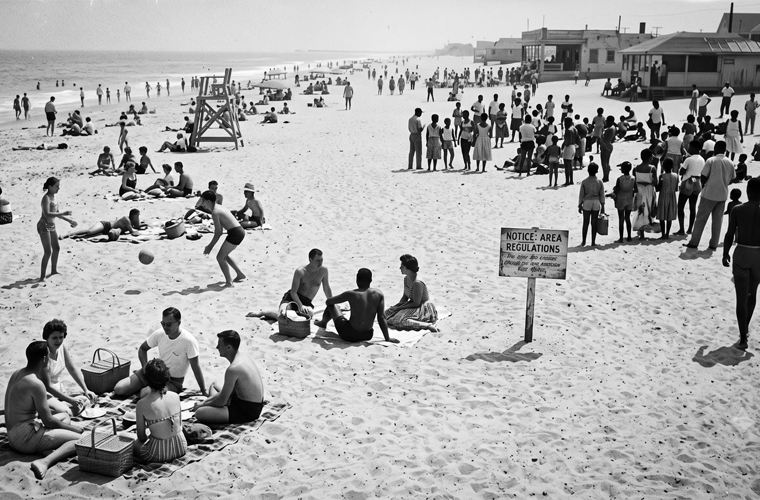
The overt symbols of segregation have vanished, but the underlying patterns of division persist in quieter, more complex ways. During the Jim Crow era, exclusion was raw and unmistakable—enforced by laws, public signs, and the threat of violence that confined Black Americans, Latinos, and other groups to prescribed roles and spaces.
In contemporary America, similar dynamics operate through different channels: chronically under-resourced schools in many minority neighborhoods, uneven application of policing and criminal justice, economic pressures from gentrification that displace long-time residents, and political rhetoric that champions equity while concrete progress lags.
In New Orleans, the contrast is evident between the gleaming tourist corridors and the persistent struggles in areas like the Lower Ninth Ward, where infrastructure lags and recovery from past disasters remains incomplete. Broader indicators include persistent racial disparities in wealth accumulation, differences in how the justice system handles cases across communities, and the use of carefully chosen language in local governance that often shields established power structures.
The Deep South has long demonstrated a talent for adapting its institutions—updating the rules without fundamentally altering the outcomes. Formal barriers like “Whites Only” signs have disappeared, yet new obstacles emerge through zoning regulations, selective urban planning, and patterns of institutional oversight that leave certain neighborhoods behind.
The old order didn’t simply disappear; it adapted and found new expressions.