
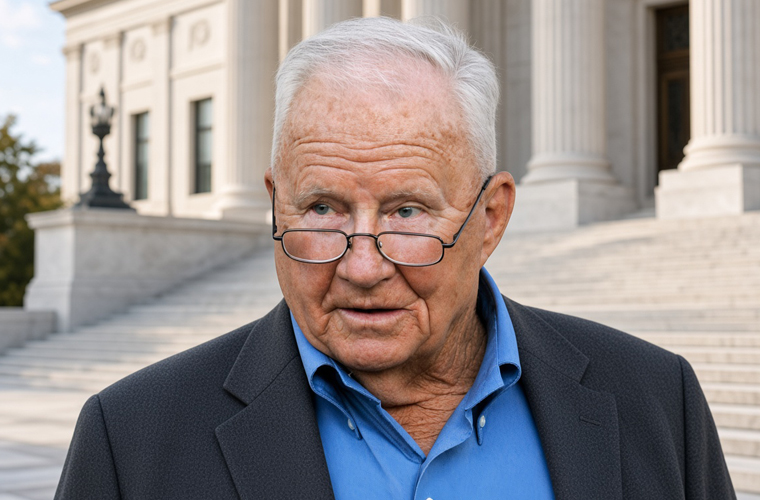
James Bonard Fowler (September 10, 1933 – July 5, 2015) was an Alabama state trooper best known for fatally shooting civil rights activist Jimmie Lee Jackson in 1965, an event that helped catalyze the Selma to Montgomery marches and the Voting Rights Act of 1965. He was later convicted of manslaughter in the case after decades, served in the military with distinction in Vietnam, and was also convicted of heroin trafficking in Thailand.
Early Life and Education
Fowler was born into a farming family in Geneva County, Alabama. He attended segregated local schools, played football in high school, and served in the U.S. Navy from 1951 to 1953 (during the Korean War) as a petty officer third class. He later attended the University of Alabama in the late 1950s. He married a local woman (the marriage ended in divorce).
Career as a State Trooper and the Shooting of Jimmie Lee Jackson
Fowler joined the Alabama State Police (Highway Patrol) in 1961 and rose to corporal by early 1965. On the night of February 18, 1965, in Marion, Alabama, he was among state troopers and local officers who confronted a peaceful group of about 500 civil rights marchers (including many from Zion United Methodist Church) protesting the arrest of a young activist. Streetlights went out, and officers attacked the unarmed demonstrators.
Jimmie Lee Jackson (26, a Baptist deacon, Vietnam veteran, and father), his mother Viola, and his elderly grandfather Cager Lee sought refuge in Mack’s Café. Troopers followed. Fowler shot Jackson twice in the abdomen during the melee. Jackson died eight days later, on February 26, 1965. A grand jury declined to indict Fowler that year, and his identity as the shooter was not widely publicized at the time. Jackson’s death became a major catalyst for the Selma to Montgomery voting-rights marches (including “Bloody Sunday” on March 7, 1965) and contributed to the passage of the Voting Rights Act of 1965. Fowler was later transferred to Birmingham and continued receiving positive evaluations.
In 2005, Fowler publicly acknowledged the shooting in an interview with journalist John Fleming of The Anniston Star, claiming self-defense and stating that Jackson was trying to grab his gun. In 2007, Perry County District Attorney Michael Jackson (no relation to the victim) secured a murder indictment. In November 2010, Fowler (then 77) pleaded guilty to second-degree manslaughter, apologized to the family while still maintaining self-defense, and was sentenced to six months in jail. He was released about a month early due to health issues requiring surgery. Fowler was also investigated in connection with the 1966 fatal shooting of Nathan Johnson, a Black man, at a jail in Alabaster, Alabama, after a traffic stop; Fowler claimed Johnson attacked him with a baton. No conviction resulted in that case.
Dismissal, Military Service, and Later Years
In 1968, Fowler was dismissed from the state troopers after physically attacking his supervisor (reportedly over a performance evaluation and leave issues related to family matters). He then enlisted in the U.S. Army, motivated in part by the death of his brother Robert in Vietnam. He served with valor (reaching sergeant first class), earning decorations that included multiple Silver Stars, Bronze Stars, and a Purple Heart.
After the Vietnam War, Fowler lived primarily in northern Thailand for roughly two decades (returning periodically to Alabama). He married Noi (a woman from Burma/Myanmar), became interested in Buddhism, and was later convicted of heroin trafficking, serving about five years in a Thai prison. He returned permanently to the United States around 1996 and farmed with his wife in rural Geneva County, Alabama.
In interviews, Fowler expressed complex and often segregationist views on race while stating respect for figures such as Nelson Mandela and Colin Powell. He died of pancreatic cancer on July 5, 2015, at age 81 in Geneva County. He was survived by his wife Noi, children (including Clay Fowler and Tracey Schraeder), and other family members; he was predeceased by a son, Timothy. Fowler’s life spanned military service in two wars, a role in one of the pivotal violent episodes of the Civil Rights Movement, delayed legal accountability, and years of international and criminal activity before a quiet rural existence in his final years.