
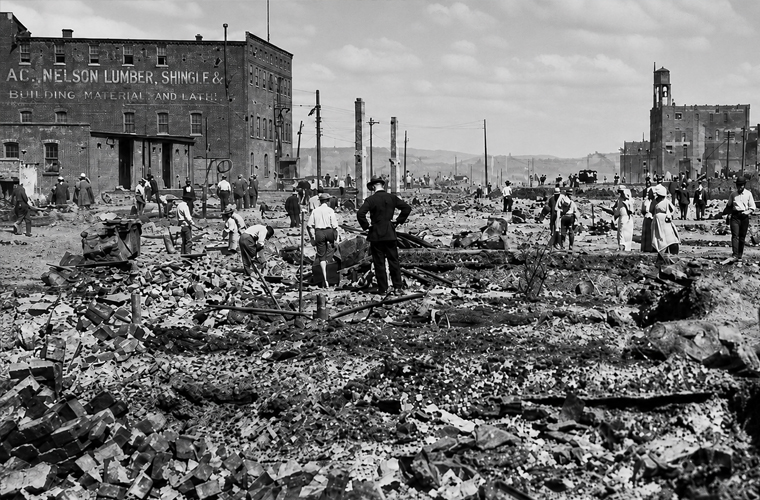
One of the Bloodiest Episodes of Racial Violence in American History
The East St. Louis riots, often referred to as the East St. Louis massacre, erupted in East St. Louis, Illinois, in the summer of 1917. Occurring amid the Great Migration and U.S. involvement in World War I, it stands as one of the deadliest racial conflicts in 20th-century American history. White mobs attacked African American residents, resulting in dozens to possibly hundreds of Black deaths, widespread arson, and the displacement of thousands. The events exposed deep racial tensions fueled by economic competition, labor disputes, and white resentment toward Black migration from the South.
Background and Causes
East St. Louis was an industrial hub across the Mississippi River from St. Louis, Missouri, known for meatpacking, aluminum, zinc, and steel production. By the early 20th century, it attracted workers seeking factory jobs. The immediate triggers were rooted in the Great Migration. Between 1916 and 1917, thousands of African Americans (estimates range from 10,000–12,000) moved north from the South, drawn by wartime industrial jobs as white workers were drafted or on strike. The Black population in East St. Louis nearly doubled from around 6,000 in 1910.


Key factors included:
- Labor Tensions: In 1916–1917, strikes at plants like Aluminum Ore Company led employers to hire Black workers as replacements, angering white unions and workers who saw them as strikebreakers.
- Political and Economic Resentment: Local Democrats accused Republicans of importing Black voters. White residents feared competition for jobs, housing, and political power. Rumors of Black criminality circulated.
- Preceding Violence: Tensions boiled over in May 1917 after a city council meeting where white workers complained about Black migration. A rumor of a Black man robbing or shooting a white man led to mob attacks on May 28, though no deaths occurred then. Violence simmered through June.
These elements created a powder keg in a city with a history of industrial conflict and racial antagonism involving both native whites and European immigrants.
The Outbreak: July 1–3, 1917
The main violence exploded on July 1–2. A rumor spread that a white man had been killed by a Black man. White mobs, including some off-duty police and officials, rampaged through Black neighborhoods.
- Drive-by shootings targeted Black homes and individuals.
- Mobs beat, stabbed, clubbed, and hanged victims. Arson was widespread—hundreds of Black homes and businesses were burned, sometimes with residents trapped inside.
- Reports describe horrific scenes: Black workers ambushed leaving factories, families fleeing burning buildings, and bodies left in streets or thrown into creeks.
- The Illinois National Guard was eventually deployed, but accounts criticize authorities for inaction or complicity; some police allegedly disarmed Black residents while allowing white rioters to continue.
The rioting continued sporadically into July 5. Property damage reached about $400,000 (millions in today’s dollars), with over 300 buildings destroyed.
Casualties and Immediate Impact
Official tallies reported 39 Black deaths and 9 white deaths, but estimates of Black fatalities range from 100 to as high as 200 or more, as many bodies were unrecovered or burned beyond recognition. Thousands were injured. More than 6,000 African Americans—roughly half the Black population—fled the city, many crossing the river to St. Louis, becoming refugees in their own country. The exodus was permanent for many.
Response and Aftermath
The massacre drew national and international attention:
- The NAACP investigated, publishing reports like “Massacre at East St. Louis” in *The Crisis*. On July 28, 1917, they organized a silent protest parade in New York City with about 10,000 participants marching down Fifth Avenue.
- Leaders like W.E.B. Du Bois and Marcus Garvey condemned the violence. Garvey highlighted the hypocrisy of fighting for democracy abroad while denying it at home.
- President Woodrow Wilson eventually denounced mob violence, though critics noted his delayed and limited response.
- Over 100 people were indicted, but accountability was minimal—only about 20 white individuals received prison sentences. No major reforms followed immediately.
The riots contributed to the “Red Summer” of 1919, a wave of racial violence across the U.S.
Historical Significance
The East St. Louis massacre is remembered as a stark example of systemic racism during the nadir of American race relations. It highlighted how economic fears, wartime pressures, and entrenched white supremacy could erupt into mass violence with little intervention from authorities. Today, it serves as a reminder of the struggles of the Great Migration and the ongoing fight for racial justice. Centennial commemorations and historical markers in the area honor the victims and survivors, preserving the memory of this tragic chapter. The events underscore a painful truth: progress toward equality has often been met with violent backlash, yet the resilience of those who endured and continued migrating northward helped shape modern America.