
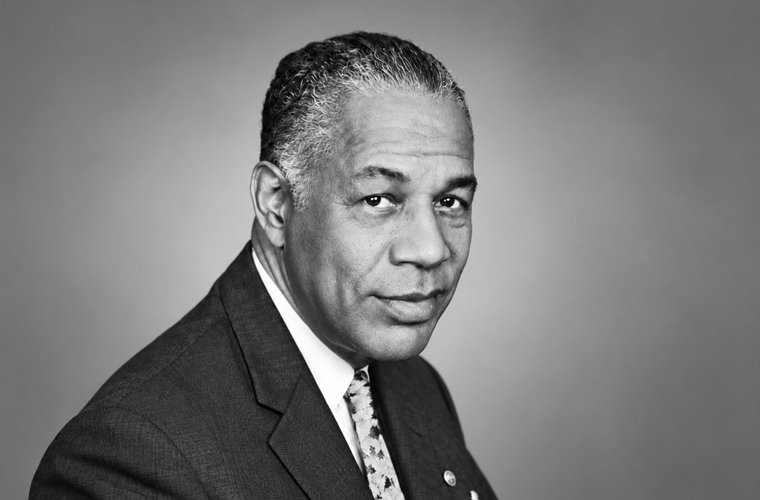
Victor Hugo Green (November 9, 1892 – October 16, 1960) was an African American postal worker, publisher, and entrepreneur from Harlem, New York City, best known for creating The Negro Motorist Green Book (later The Negro Travelers’ Green Book and The Travelers’ Green Book). This annual guide, published from 1936 to 1966–67, listed hotels, restaurants, gas stations, tourist homes, beauty parlors, and other businesses that welcomed Black travelers during the Jim Crow era of legal segregation in the United States.
Named after the French author Victor Hugo, he was born in Manhattan, New York City, the eldest of three children of William H. Green and Alice A. (Holmes) Green. He was raised primarily in Hackensack, New Jersey. In 1913, at age 21, he began working as a letter carrier for the U.S. Postal Service in Bergen County, New Jersey—a job he held for nearly four decades until retiring around 1952. He served in the U.S. Army during World War I (with the 350th Field Artillery Regiment).
In 1918, Green married Alma Duke (sometimes listed as Alma S. Duke; 1889–1978), who had moved north from Richmond, Virginia, as part of the Great Migration. The couple settled in Harlem during the Harlem Renaissance, a vibrant center of Black arts, culture, and community. Green also managed the career of his brother-in-law, musician Robert Duke, and heard firsthand accounts of the discrimination, humiliation, and dangers Black travelers and performers faced on the road.


.
Inspired by similar guides for Jewish travelers facing antisemitism (such as Jewish vacation guides), and driven by his own observations and the experiences of family, friends, and fellow postal workers, Green launched the first edition of The Negro Motorist Green Book in 1936. The initial short publication (around 10–16 pages) focused on safe accommodations and services in the New York City area. He compiled listings from personal knowledge, recommendations from postal colleagues nationwide, and later paid contributions from readers. The motto on many covers—“Carry your Green Book with you—You may need it”—reflected the real risks of “sundown towns,” whites-only policies, harassment, and violence.
Demand quickly grew. By 1937, the guide expanded nationally; over the years it covered nearly every U.S. state and eventually included international destinations such as Canada, Mexico, Bermuda, the Caribbean, parts of Europe, Latin America, and Africa. Editions listed thousands of Black-owned or non-discriminatory businesses. Publication paused during World War II but resumed afterward. Green established a publishing operation in Harlem and, in 1947, founded a related travel agency (sometimes called the Vacation Reservation Service or Reservation Bureau) that helped book accommodations at welcoming establishments. He printed roughly 15,000 copies annually; distribution through channels such as Esso (Standard Oil) stations significantly boosted reach—by some accounts reaching far larger numbers in later years.
Green was pragmatic rather than overtly political in the guide’s tone, focusing on practical safety and convenience. In the 1948 edition, he expressed hope for a future when the book would no longer be needed: “There will be a day sometime in the near future when this guide will not have to be published. That is when we as a race will have equal opportunities and privileges in the United States. It will be a great day for us to suspend this publication, for then we can go wherever we please, and without embarrassment.”
After Green died in Manhattan on October 16, 1960 (at age 67; he was buried in Hackensack Cemetery, New Jersey), his wife Alma continued editing and publishing the guide with a largely female staff until about 1962. Later editions (through 1966–67) were issued by others, including Langley Waller and Melvin Tapley. The Civil Rights Act of 1964, which outlawed racial discrimination in public accommodations, and the growth of the interstate highway system gradually reduced the guide’s necessity, fulfilling Green’s hope.
Green’s work provided an essential tool for dignity, safety, and mobility for Black Americans during decades of systemic segregation. It supported Black-owned businesses, enabled family travel and economic activity, and remains a powerful historical document of resilience and self-reliance. He and Alma have been recognized posthumously, including induction into the Automotive Hall of Fame. The guide’s legacy continues to be studied, digitized (notably at the New York Public Library’s Schomburg Center), and remembered as a practical act of resistance and community care.