
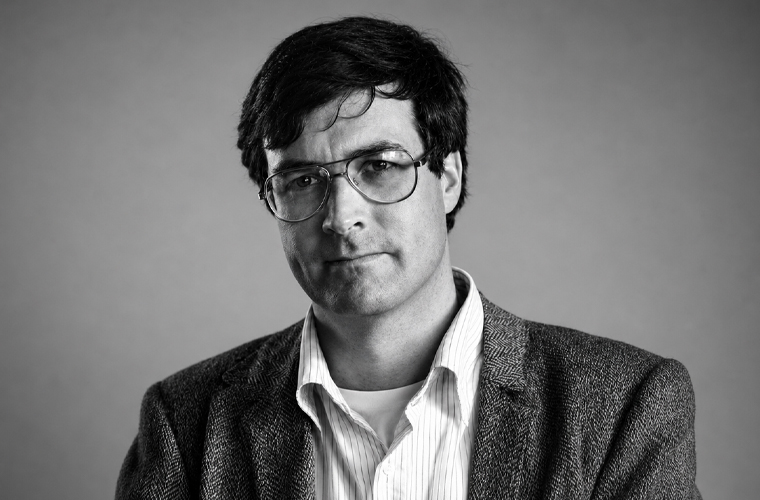
Jack Chatfield (July 20, 1942 – September 18, 2014) was an American historian, educator, and civil rights activist known for his courageous work with the Student Nonviolent Coordinating Committee (SNCC) in the early 1960s and his long career as a beloved professor of American history at Trinity College in Hartford, Connecticut. Born in Baltimore, Maryland, to Dr. Paul Oakes Chatfield and Helen Taylor Chatfield, Jack graduated from Randolph-Macon Academy in Front Royal, Virginia, in 1960. He entered Trinity College as a history major. His awareness of the growing Black student movement in the South deepened through news reports, campus speakers, and conversations. The turning point came when his Trinity roommate and friend Ralph Allen was badly beaten while working in Georgia. In September 1962, Chatfield left college (postponing his junior year) and traveled south to join SNCC’s Southwest Georgia Project, led by Charles Sherrod.
Civil Rights Work in Southwest Georgia
On his very first night in Dawson, Georgia (Terrell County), Chatfield was shot in the arm by white night riders who fired into the home of Mrs. Carolyn Daniels, a key movement supporter where SNCC workers were staying. Despite the injury and ongoing threats, he remained committed and worked as a field organizer for about two years, primarily in the rural counties of Terrell and Lee. He faced multiple arrests and repeated violence but continued organizing, voter registration efforts, and community work alongside local Black leaders and fellow SNCC activists. His experiences in the movement profoundly shaped his worldview, shifting him from a perspective in which racial segregation seemed like a “natural order” to a lifelong dedication to justice and equality.
Academic and Teaching Career
After returning north, Chatfield completed his bachelor’s degree at Trinity College in 1964. He earned an M.A. and Ph.D. from Columbia University. From 1970 to 1978, he taught at the Watkinson School in West Hartford, Connecticut. In 1987, he joined the faculty at Trinity College, where he taught American history for 25 years until his retirement in 2012. He was a highly regarded educator, winning the Hughes Award for Teaching Achievement (1992) and the Brownell Prize for Teaching Excellence (2002). Students and colleagues remembered him as an inspiring, intellectually generous mentor with a deep passion for history, literature, and meaningful dialogue.
Legacy in Preserving Movement History
In 1988, Chatfield organized a landmark symposium at Trinity College titled “We Shall Not Be Moved: The Life and Times of the Student Nonviolent Coordinating Committee, 1960–1966.” It became the first major reunion of SNCC veterans since the organization’s peak and helped preserve the movement’s history and lessons for future generations.
Personal Life and Passing
Chatfield battled prostate cancer and Parkinson’s disease with characteristic strength, humor, and grace. He passed away peacefully at home in Hartford on September 18, 2014, surrounded by family and friends. His involvement in the civil rights movement remained passionate and inspirational throughout his life. Jack Chatfield’s life exemplified the courage of white allies in the Southern freedom struggle and the power of education to carry forward the ideals of justice and equality. He left a lasting impact on students, colleagues, and the historical record of the Civil Rights Movement.