
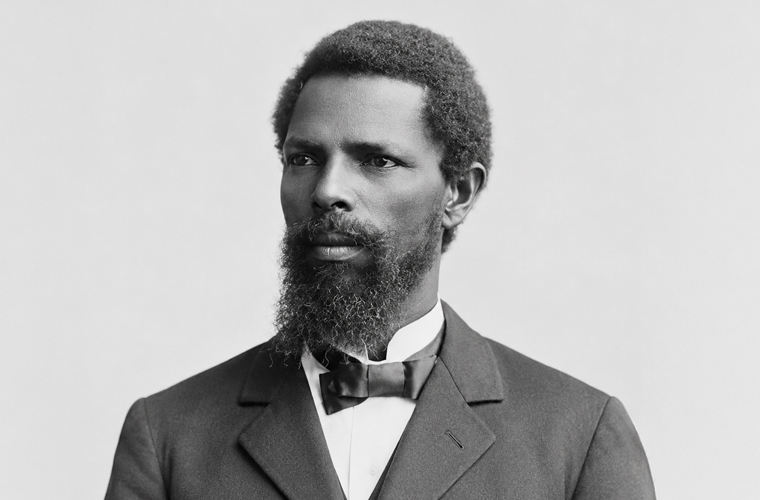
Onesimus (late 1600s–early 1700s) was an enslaved West African man whose knowledge of variolation (an early form of inoculation against smallpox) helped save hundreds of lives in colonial Boston and laid foundational groundwork for the development of modern vaccines.
Early Life
Little is definitively known about Onesimus’s life before enslavement. He was likely of Akan origin and came from the “Guaramantee” (or Guramantee) region—probably referring to Kormantse in present-day Ghana. Like millions of others, he was captured, transported across the Atlantic via the transatlantic slave trade, and sold into slavery in the American colonies.
Arrival in Boston and Enslavement
Onesimus first appears in historical records in 1706, when he was purchased as a gift for the prominent Puritan minister Cotton Mather by members of his North Church congregation in Boston. Mather, a well-known intellectual and figure in the Salem Witch Trials, renamed him “Onesimus” after a biblical enslaved man mentioned in the New Testament (Philemon), whose name means “useful” or “profitable.”
Mather’s diaries reveal a complex and often strained relationship. He viewed Onesimus as intelligent but also described him with suspicion, calling him “wicked,” “thievish,” and at times “useless.” Mather attempted to educate and Christianize him according to his beliefs about slavery, but Onesimus resisted full assimilation and sought greater autonomy.
Contribution to Medicine: The 1721 Smallpox Epidemic
Onesimus’s most significant legacy occurred during the deadly 1721 smallpox outbreak in Boston. In 1716, when Mather asked if he had ever had smallpox, Onesimus replied cryptically, “Yes and no.” He then described the African practice of variolation: taking pus from an infected person’s pustule and inserting it into a cut on a healthy person. This induced a milder form of the disease, granting immunity to future, more severe infections.
Mather, who had read about similar practices in other parts of the world (such as Turkey), took the idea seriously despite widespread skepticism and racial prejudice. He shared it with physician Zabdiel Boylston. During the epidemic, Boylston performed inoculations on willing individuals (starting with his own family and enslaved people). While controversial and initially opposed, the method proved effective: of those inoculated, far fewer died compared to those who contracted smallpox naturally. The technique helped mitigate the outbreak and influenced later medical practices, including Edward Jenner’s development of the smallpox vaccine.
Later Life and Legacy
Onesimus married and had at least one son (who died young in 1714). He eventually purchased partial freedom from Mather by providing funds for the purchase of another enslaved person in his place, though he continued to have some obligations. Details of his life after the 1720s are scarce; historians rely mostly on Mather’s records and sparse church documents.
Onesimus is remembered today as a crucial, yet long-overlooked, figure in American medical history. His expertise—rooted in traditional African knowledge—challenged colonial assumptions and demonstrated the value of diverse contributions to science and public health. While Mather and Boylston often received primary credit, modern scholarship highlights Onesimus’s pivotal role in introducing variolation to the colonies.
His story underscores themes of resilience, hidden knowledge, and the profound impact of enslaved individuals on the development of the United States.