
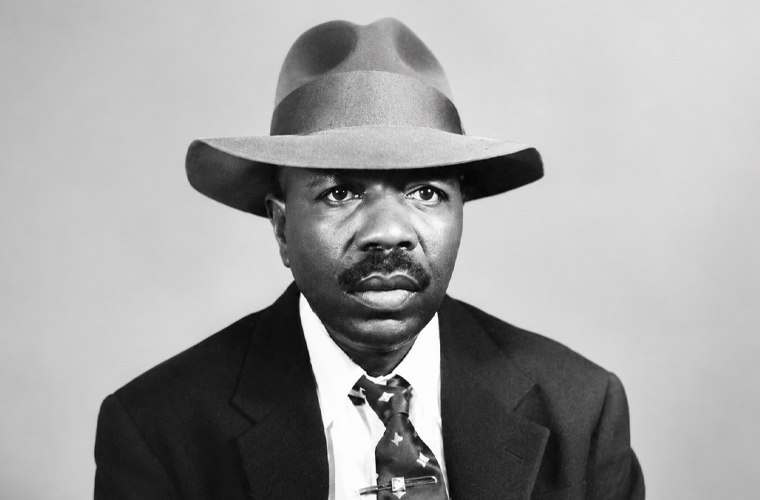
Walter Moses Burton (August 9, 1840 – June 4, 1913) was a pioneering African American politician, law enforcement officer, and farmer in Texas. He holds the distinction of being the first Black person elected sheriff in the United States (and in Texas), as well as a Republican state senator during the Reconstruction era. Born into slavery in North Carolina (likely on the plantation of Thomas Burke Burton), Walter Moses Burton was brought to Fort Bend County, Texas, as a young man around 1850–1858. His enslaver taught him to read and write—an illegal act at the time—which proved invaluable later in life. After emancipation following the Civil War, Burton purchased several large plots of land from his former owner for $1,900 (a significant sum at the time). This made him one of the wealthiest and most influential Black landowners in Fort Bend County. He became a successful farmer and engaged deeply in local Republican politics. In 1868, he married Abby “Hattie” Jones. The couple had a son, Horace, who died in 1895.
Political and Law Enforcement Career
In 1869, Burton was elected sheriff and tax collector of Fort Bend County. This election made him the first Black sheriff in Texas and the first in U.S. history. He served in that role for about four years while also acting as president of the Fort Bend County Union League, a key Republican organization supporting Black political participation during Reconstruction. In 1873, he campaigned successfully for a seat in the Texas Senate, representing the 13th and later 17th districts (covering areas including Fort Bend, Austin, Waller, and Wharton counties). He served a total of seven years (1874–1875 and 1876–1882), overcoming a contested election early on. He was the last African American elected to the Texas Senate until Barbara Jordan in 1966.
As a senator, Burton was a strong advocate for Black education. He helped pass legislation establishing Prairie View Normal School (now Prairie View A&M University). He also supported measures for gun control and against the convict leasing system. He remained active in the Republican Party, serving in various leadership roles at state conventions, and continued local political involvement after leaving the Senate.
Later Life and Legacy
After retiring from the Senate in 1883, Burton returned to farming but stayed engaged in public life until he died in Richmond, Texas, in 1913. He is buried in Morton Cemetery in Richmond.
His legacy includes:
- A Texas Historical Commission marker at his grave (erected 1992).
- Burton Elementary School in Fresno, Texas (named in his honor in 1996 by the Fort Bend Independent School District), with a mascot called the “Burton Sheriff.”
- A historical marker dedicated at the Fort Bend County courthouse in February 2026, honoring his groundbreaking achievements.
Walter Moses Burton’s life exemplifies resilience, determination, and leadership. Rising from enslavement to become a trailblazing elected official in the post-Civil War South, he broke significant racial barriers and contributed to education and civil rights advancements in Texas.