
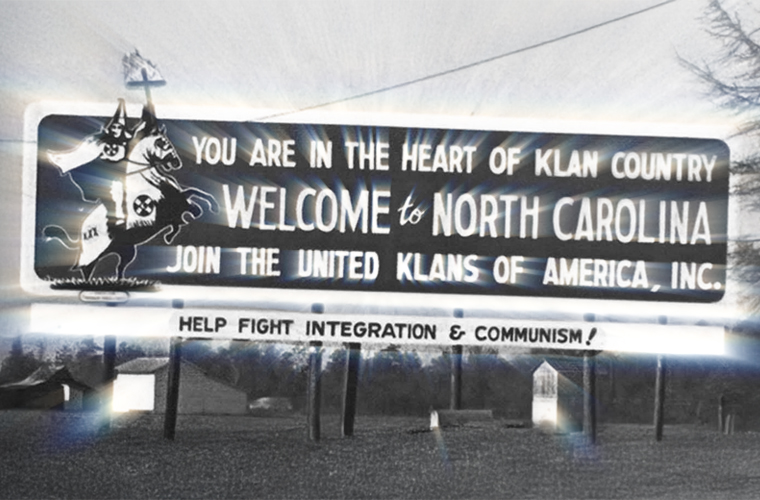
On June 7, 1920, Ku Klux Klan leader William Simmons brought in professional publicists to expand the white supremacist group’s ranks.
The Klan was originally established in 1865 in Pulaski, Tennessee, by Confederate veterans. Operating under white hoods and robes, members used intimidation, violence, beatings, and murder to terrorize newly freed Black Americans and their white Republican allies. Their goal was to dismantle Reconstruction efforts and reimpose white dominance across the South. Federal crackdowns forced the organization to disband in the early 1870s, though it would later resurface.
In 1915, Simmons relaunched the Klan during a ceremony on Stone Mountain in Georgia. That same year, D.W. Griffith’s film The Birth of a Nation portrayed the Klan as heroic defenders of white Southern civilization and the purity of white women. The movie received a private screening at the White House by President Woodrow Wilson.
Starting in June 1920, the revived Klan rolled out an aggressive public relations drive that tapped into widespread anxieties among white Americans in the aftermath of World War I. Under the banner of “100 Percent Americanism,” the organization positioned itself as the protector of a pure white Protestant nation against perceived threats from Black Americans, Catholics, Jews, immigrants, and anyone labeled a “moral offender.” This carefully packaged appeal to prejudice proved highly effective. Within just sixteen months, the Klan gained nearly 100,000 new members.
In 1921, mounting public outrage led Congress to launch what appeared to be a serious investigation into the Klan’s violence and political influence at local and state levels. However, the probe was quickly dropped after Klan leaders denied the charges. Almost immediately afterward, new membership applications surged to roughly 5,000 per day. By 1924, the organization had grown to an estimated three million active members across the country. Strongholds included 35,000 members in Detroit, 55,000 in Chicago, 200,000 in Ohio, 240,000 in Indiana, and 260,000 in Pennsylvania.