
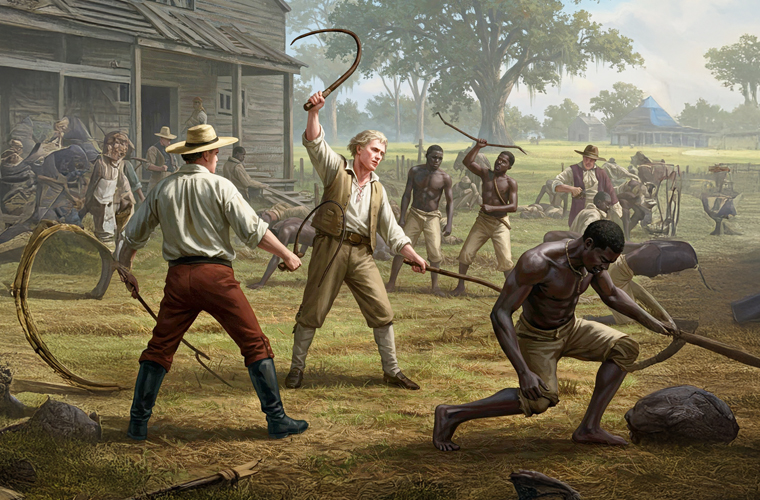

The history of slave plantations is a grim testament to human cruelty, where economic greed fueled unimaginable suffering. Across the Americas, Africa, and parts of Asia, plantations reliant on enslaved labor were sites of systemic brutality, dehumanization, and resistance. This article explores the nature of this brutality in key regions where plantation slavery flourished, including the Caribbean, the American South, Brazil, and West Africa, drawing on historical accounts to illuminate the horrors endured by millions.
The Caribbean: A Cauldron of Cruelty
In the Caribbean, particularly in colonies like Jamaica, Barbados, and Saint-Domingue (modern Haiti), sugar plantations were the epicenter of slavery’s brutality. By the 18th century, sugar was a global commodity, and the Caribbean produced vast quantities, driven by the labor of enslaved Africans. The work was grueling—cutting cane under scorching sun, operating boiling houses, and enduring 16-hour days. Planters, often absentee owners, delegated oversight to brutal overseers who wielded whips, chains, and torture devices to enforce productivity.
Enslaved people faced relentless violence. Flogging was routine, with whips laced with metal to maximize pain. Historical records from Jamaica describe punishments like “cart-whipping,” where victims were lashed while tied to moving carts. Sexual violence against enslaved women was rampant, often perpetrated by white planters and overseers. Resistance, such as running away or rebellion, was met with savage retribution—public executions, mutilation, or being burned alive. In Saint-Domingue, the Code Noir (1685) permitted such cruelties, codifying the dehumanization of the enslaved. Life expectancy was abysmal; many died within a few years of arrival, replaced by a constant influx of captives from Africa.
The American South: Cotton and Control
In the United States, particularly in the Deep South, cotton plantations defined the antebellum economy. Enslaved African Americans toiled in fields from dawn to dusk, planting, tending, and picking cotton under the watchful eyes of overseers. The brutality here was both physical and psychological, designed to break spirits and maximize output. The whip was a constant threat, with plantation records detailing hundreds of lashes for minor infractions like slow work or talking back.
Enslaved people endured sadistic punishments: branding, ear-cropping, and the use of iron collars or shackles. Families were torn apart at auctions, a deliberate tactic to erode communal bonds. Enslaved women faced sexual exploitation, with many bearing children of their enslavers. Resistance was perilous—Nat Turner’s 1831 rebellion led to his execution and harsher slave codes. Plantation owners justified their cruelty with paternalistic rhetoric, claiming they “cared” for their slaves, yet diaries and slave narratives, like those of Frederick Douglass, reveal a reality of relentless violence and dehumanization.
Brazil: Sugar, Gold, and Suffering
Brazil, the largest importer of enslaved Africans in the Americas, saw plantation slavery thrive in sugar, coffee, and gold mining regions. By the 19th century, plantations in Bahia and Rio de Janeiro were notorious for their brutality. Sugar production, like in the Caribbean, was labor-intensive, with enslaved people working in hazardous conditions. Boiling vats caused frequent injuries, and overwork led to high mortality rates.
Punishments in Brazil were particularly barbaric. The “mascara de Flandres,” an iron mask, was used to prevent enslaved people from eating sugarcane or speaking. Whippings were public spectacles, often accompanied by salt or chili rubbed into wounds to intensify suffering. Enslaved women faced sexual violence, and children born of these assaults were often enslaved. Resistance took the form of quilombos—maroon communities like Palmares, which survived for decades despite brutal military campaigns to destroy them. Brazil’s slow abolition (1888) prolonged this cruelty, with plantations remaining sites of horror well into the 19th century.

West Africa: Local and Colonial Exploitation
While much focus is on the Americas, plantation slavery also existed in West Africa, both pre- and post-European contact. In regions like the Gold Coast (modern Ghana) and Senegal, African elites and European colonizers operated plantations growing crops like indigo and cotton. Enslaved Africans, often captives from inland wars, worked these estates under harsh conditions. European demand for labor intensified this system, with coastal forts like Elmina serving as both slave markets and plantation hubs.
Brutality in African plantations mirrored that of the Americas. Enslaved people were whipped, chained, and subjected to starvation diets to enforce compliance. European overseers and African intermediaries used violence to maintain control, with punishments like amputation for escape attempts. The transatlantic trade compounded this suffering, as many enslaved Africans on African plantations were later shipped to the Americas. Resistance was common, with uprisings and escapes documented in colonial records, though these were often crushed with extreme violence.
A Global System of Dehumanization
The brutality of slave plantations was not confined to one region but was a global phenomenon tied to colonial economies. Whether in the Caribbean’s sugar fields, the American South’s cotton plantations, Brazil’s coffee estates, or West Africa’s indigo farms, the enslaved faced a calculated system of violence designed to extract labor and suppress resistance. This cruelty was underpinned by ideologies of racial superiority, which dehumanized Africans and justified their exploitation. The legacy of this brutality endures in systemic inequalities and historical trauma. Slave narratives, archaeological evidence, and plantation records bear witness to the resilience of the enslaved, who resisted through rebellion, cultural preservation, and survival. Understanding this history is crucial to confronting its lasting impact and honoring the millions who suffered under one of humanity’s darkest chapters.